


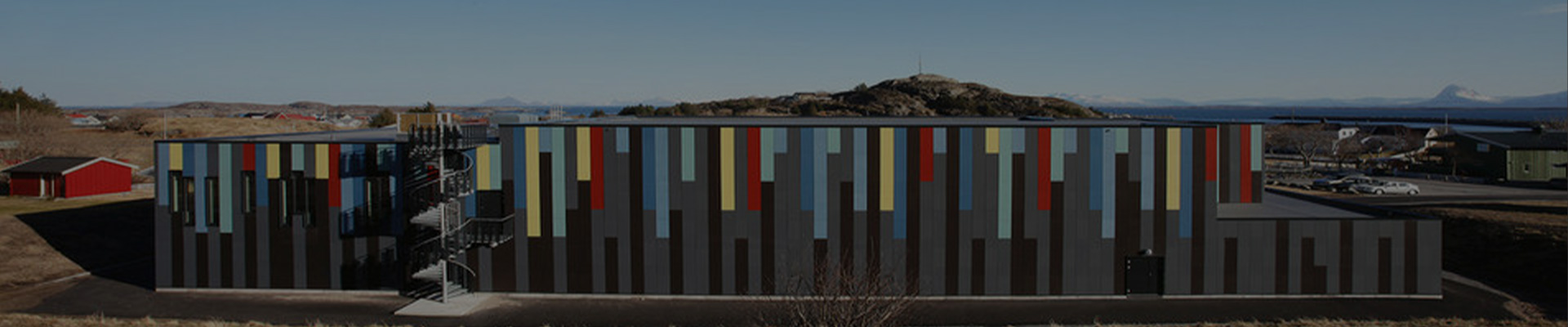
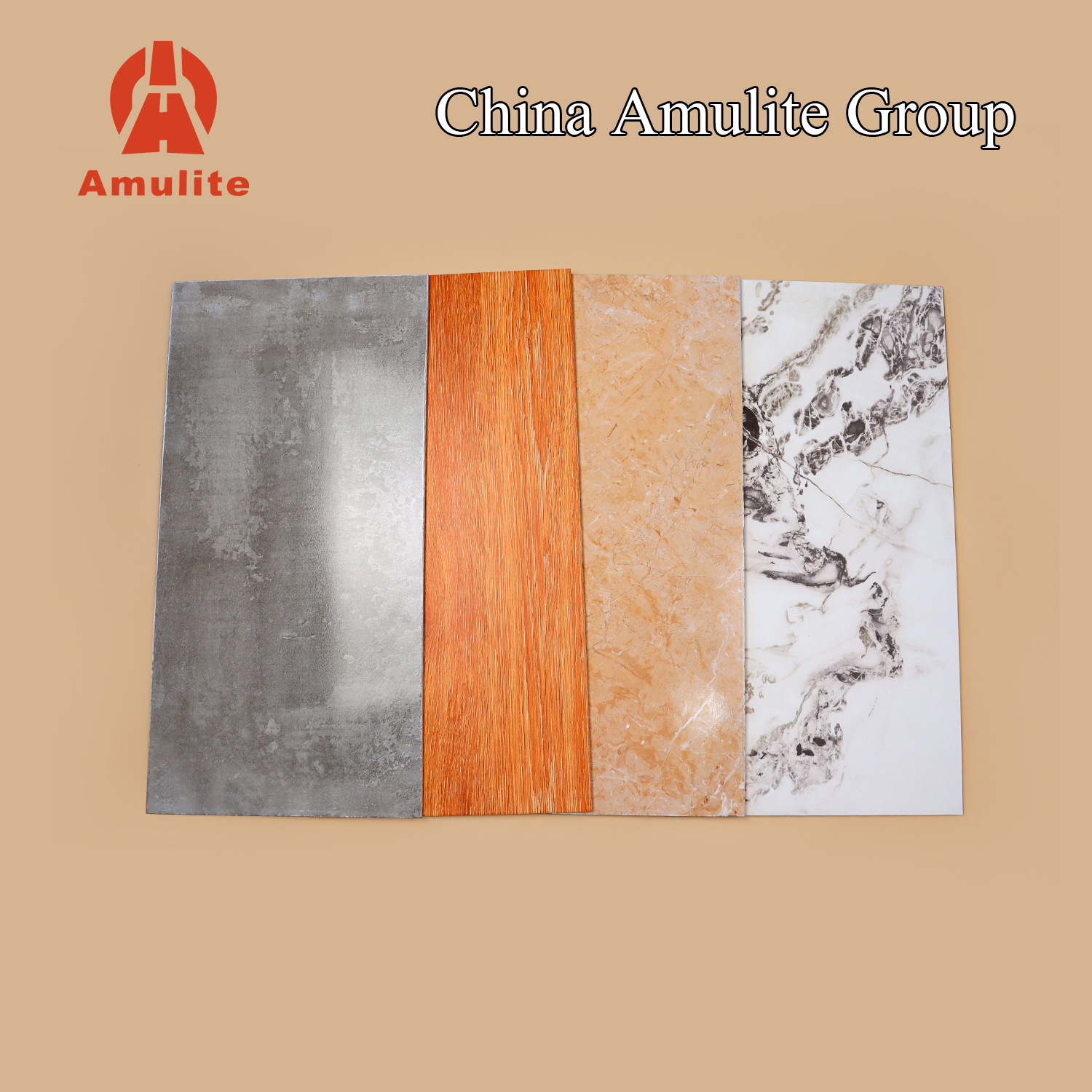
If extrusion-based 3D printing of cement panels is about “sculpting the skeleton,” then digital printing on the substrate is about “bestowing the skin.” This is a surface treatment process that uses cement board as a canvas, employing high-precision inkjet technology to endow it with realistic colors and textures. Rather than using cement as “ink” for printing, this technique involves printing wood grains, stone patterns, metallic rust effects, and even custom designs onto the surface of pre-formed base materials such as fiber cement board and calcium silicate board. This technology is redefining the aesthetic boundaries of architectural decorative materials.
I. Technological Evolution: From Tedious Simulation to Digital Direct
Before the popularization of digital printing technology, achieving decorative effects on cement boards primarily relied on traditional methods like embossing, transfer printing, or screen printing. Embossing required custom molds and could only achieve a single concave-convex texture; screen printing needed plate-making, offered limited colors, and involved cumbersome processes with high rejection rates. These methods particularly struggled to meet the demands for small-batch, personalized customization.
Modern digital printing technology represents a revolutionary breakthrough. New equipment, represented by single-pass piezoelectric inkjet digital printers, can perform color printing on the surfaces of building materials like concrete panels and fiber cement boards, pushing decorative concrete technology to new heights. This achieves highly realistic decorative effects and significantly enhances product quality. This technology requires no plate-making and allows printing on demand, satisfying both mass production line requirements and enabling personalized customization.
II. Core Process: Constructing a Multi-Layered “Skin”
Digital printing on a substrate is far more complex than printing on ordinary paper. Due to the porous nature, high water absorption, and relatively low flexibility of cement-based materials, achieving high pattern definition, color fastness, and long-term weather resistance necessitates a complex multi-layer coating system.
As illustrated by a typical patent for a “digital printing film-coating and gloss finish process,” the journey from substrate treatment to the final product involves over ten precise steps from the inside out:
Base Sealing and Strengthening: First, a moisture-proof primer layer is roll-coated to prevent the substrate from expanding, delaminating, or molding due to moisture absorption. This is followed by a penetrating primer layer, applied with a sponge roller to allow better penetration into the substrate, forming an excellent bonding transition layer.
Leveling and Coverage: A high-fill putty layer is roll-coated to fill microscopic pores in the base material, enhancing surface smoothness and laying the foundation for subsequent mirror-like effects. Subsequently, a first adhesion paint layer and a color paint layer are applied. These layers enhance adhesion, provide a uniform base color, and prevent delamination and color inconsistency.
Printing Interface Preparation: Immediately before digital printing, a dedicated pre-printing paint layer is applied. This thin layer (with a coating weight of only 5-15 g/m²) is crucial as it prevents the printing ink from penetrating and spreading, ensuring the sharpness and layering of the pattern.
Digital Printing and Color Fixation: The pattern is printed onto the pre-treated surface using high-precision printheads. Subsequently, a post-printing paint layer is applied to increase the adhesion of the printed layer, stabilize the colors, and prevent subsequent processes from lifting the ink.
Surface Protection and Finishing: Finally, through multiple layers including a sanding sealer, a film-forming clear topcoat, and even a protective film layer, a durable surface resistant to UV radiation, scratching, and staining is provided. Different finishes, such as matte or gloss, can be achieved. Some high-end processes may also add antibacterial agents to the topcoat to prevent mold growth within the composite layers.
Throughout this process, the coating weight and drying method for each layer (e.g., using UV curing with mercury or gallium lamps of specific power) must be precisely controlled to address common issues found in traditional processes, such as peeling and poor mirror effects.
III. Core Advantages and Market Positioning
This digital printing process on substrates offers significant advantages for cement boards:
Unlimited Design Freedom: Patterns and colors are no longer constrained by molds or inventory. It allows for the realistic simulation of natural materials like wood and stone, as well as the realization of any customized graphic, meeting the personalized needs of different scenarios and clients.
Efficient Manufacturing Model: The production process is digitized, making it particularly suitable for small-scale, customized manufacturing. Simultaneously, modern industrial printing equipment can achieve mass production on assembly lines at speeds of 15-30 meters per minute, balancing efficiency and flexibility.
Excellent Physical Properties: Protected by multiple coating layers, the printed patterns are not only aesthetically pleasing but also possess outstanding weather resistance, UV resistance, abrasion resistance, and moisture resistance, making them suitable for various applications like architectural facades, interior decoration, and landscape architecture.
IV. Outlook: From Decorative Surface to Functional Interface
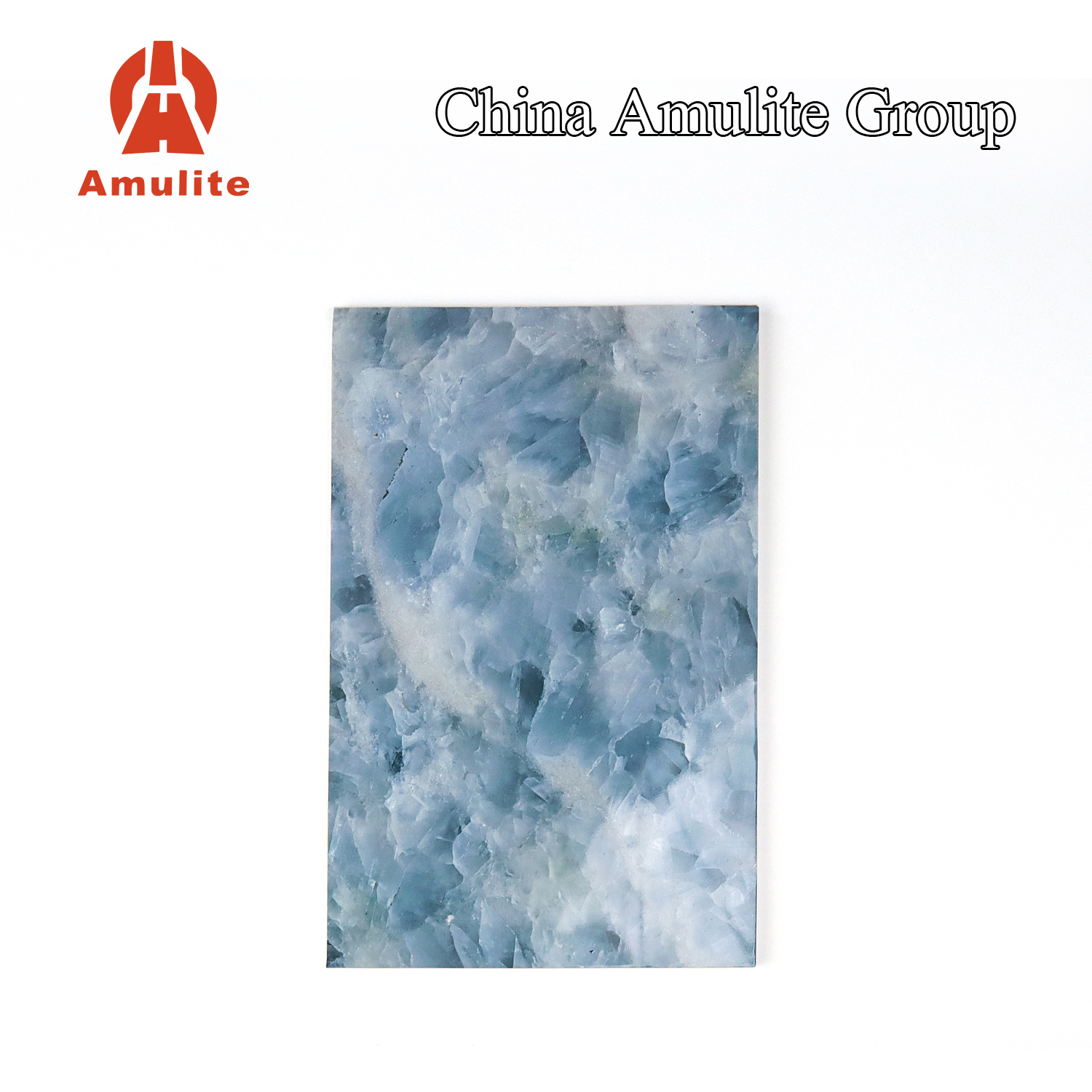
Looking ahead, the technology of digital printing on substrates is evolving towards greater realism and intelligence. On one hand, combining it with 3D printing technology holds the promise of integrating three-dimensional textures with color patterns, enhancing tactile realism. On the other hand, the introduction of functional coatings, such as inks with self-cleaning or temperature-regulating properties, could elevate printed cement boards from mere decorative surfaces to the “smart skin” of buildings.
In summary, cement boards printed on a substrate represent the crystallization of material science and digital inkjet technology. It perfectly resolves the issue of monotonous decorative effects in traditional cement products. While retaining the excellent inherent properties of cement boards—such as fire resistance, moisture resistance, and durability—it clothes them in an infinitely variable “digital coat.”
Post time: Mar-05-2026