


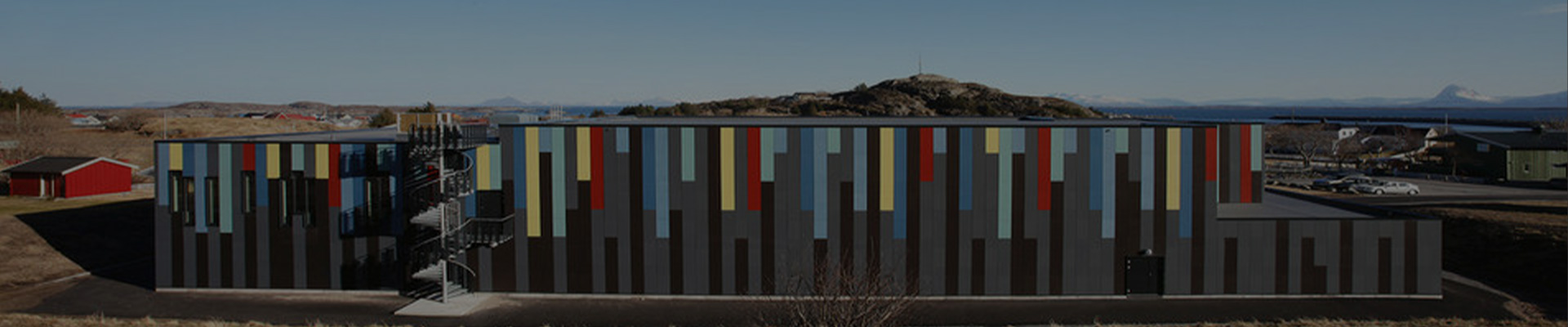
This bendable, breathable, and more durable building material is no longer just a concept—it has become a global revolution.
At a time when architects are pursuing bold curves and developers are facing mounting pressure from green building mandates, a quiet revolution is unfolding across building facades worldwide. Its name is Flexible Clay Ceramic Tiles (also known as MCM—Modified Clay Material), and it is rapidly rendering traditional rigid tiles and aging coatings obsolete.
The Astonishing “Flexibility”
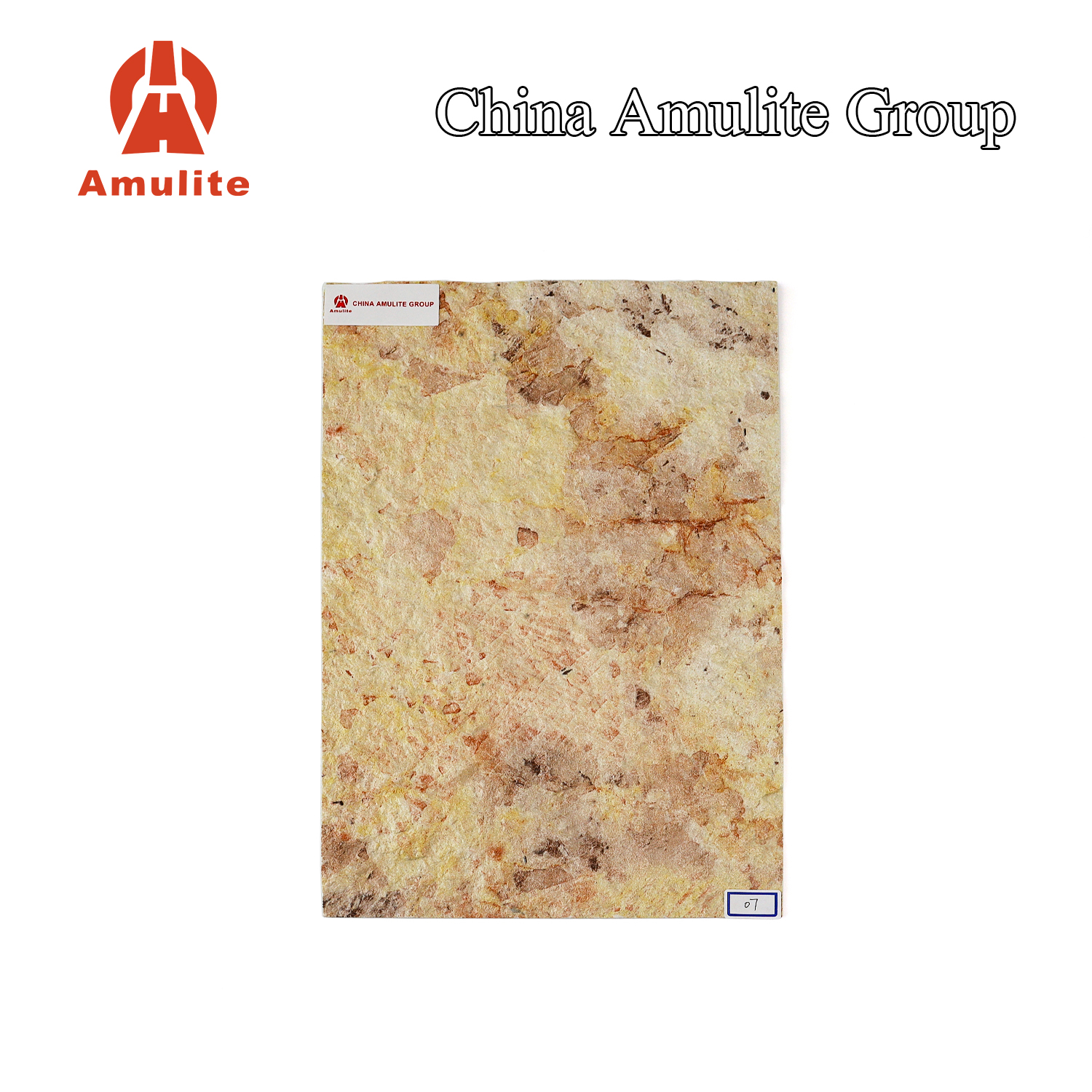
Traditional tiles cannot bend, but Soft Porcelain can. At only 2 to 4 millimeters thick, Soft Porcelain can easily wrap around curved walls, columns, and arched structures without the need for cutting or special treatment. This flexibility makes it the ideal choice for curved architecture and irregular designs—scenarios where traditional materials are either unusable or prohibitively expensive.
At the 2025 Fujian Building Materials Expo, a Chinese Soft Porcelain manufacturer secured an order from a Malaysian client on the very first day of the exhibition. The products will be used for the exterior facades, perimeter walls, and flowerbed decorations of a villa project. Behind this order lies the growing international demand for Soft Porcelain products.
Light as a Feather, Strong as Stone
The total weight of Soft Porcelain per square meter (including auxiliary materials) does not exceed 6 kilograms, approximately 1/8 that of traditional tiles. The advantages of this characteristic are multifaceted:
Lower transportation costs: Lightweight means lower logistics expenses
Reduced building load: Suitable for high-rise buildings and renovation projects
Construction safety: Reduced risk of falls from height
No need for keels: Direct adhesion saves auxiliary materials and labor
Despite its lightness, Soft Porcelain makes no compromise on durability. After 2,000 hours of artificial weathering tests, the product shows no cracks or chalking; after 100 repeated freeze-thaw cycles (from -30°C to above 10°C), it remains intact.
From Earth It Comes, to Earth It Returns
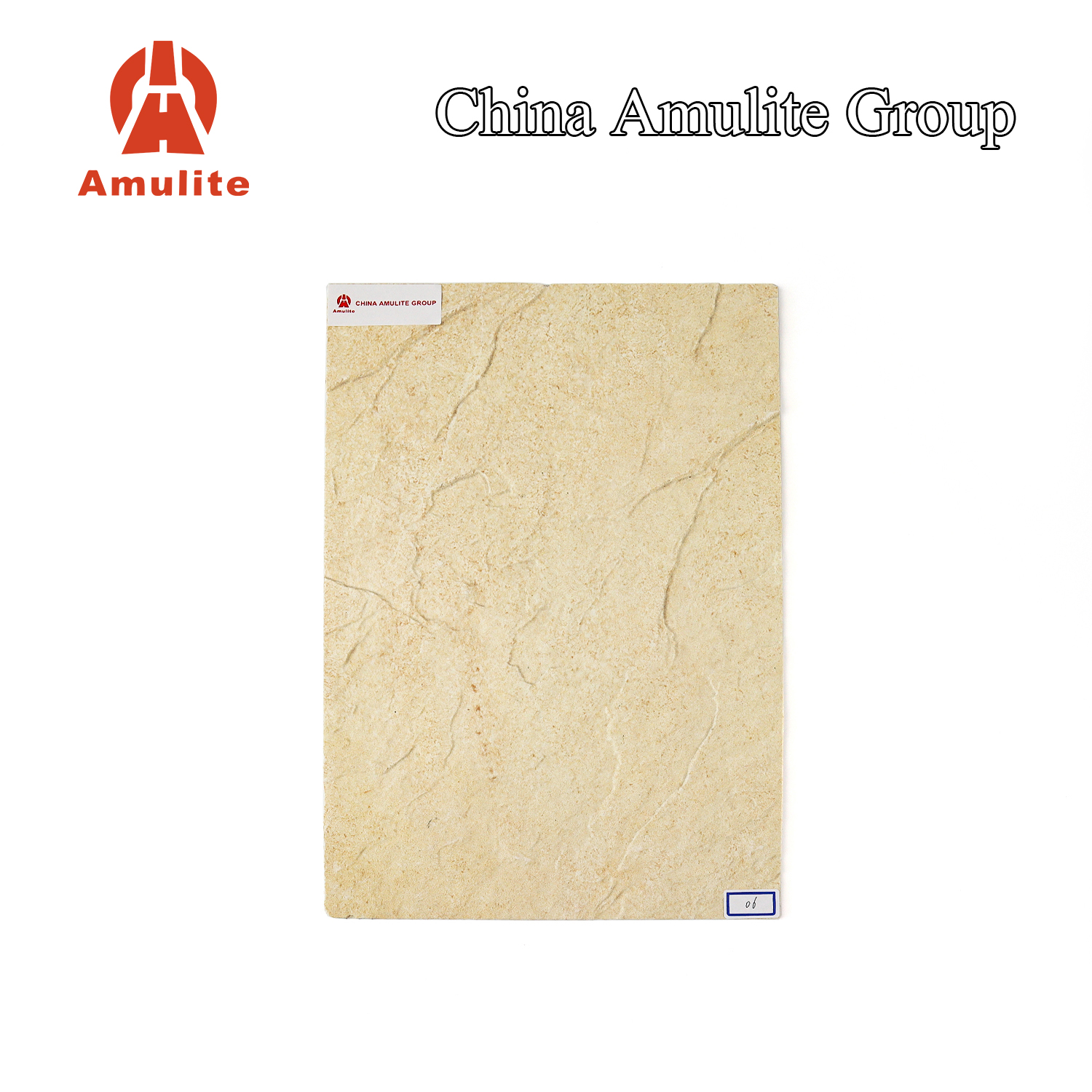
The primary raw materials of Soft Porcelain include urban construction waste soil, cement debris, stone powder, and ceramic waste—all inorganic materials. Through more than 30 processing steps of composite modification, these waste materials are given new life. The production process achieves zero emissions and zero pollution, with energy consumption more than 80% lower than similar products.
More notably, Soft Porcelain products can be fully degraded and returned to cultivable soil, without forming permanent solid waste. This “from nature, back to nature” lifecycle makes it a true circular economy product.
The “Perfect Solution” for Renovation Projects
In old city renovation projects, the traditional approach requires demolishing the original finish layer—time-consuming and generating large amounts of construction waste. Soft Porcelain offers another possibility: no need to remove the old substrate—simply apply directly.
Weather Resistance and Anti-Staining: Facing Global Climate Challenges
From humid Southeast Asia to cold Russia, Soft Porcelain demonstrates exceptional climate adaptability.
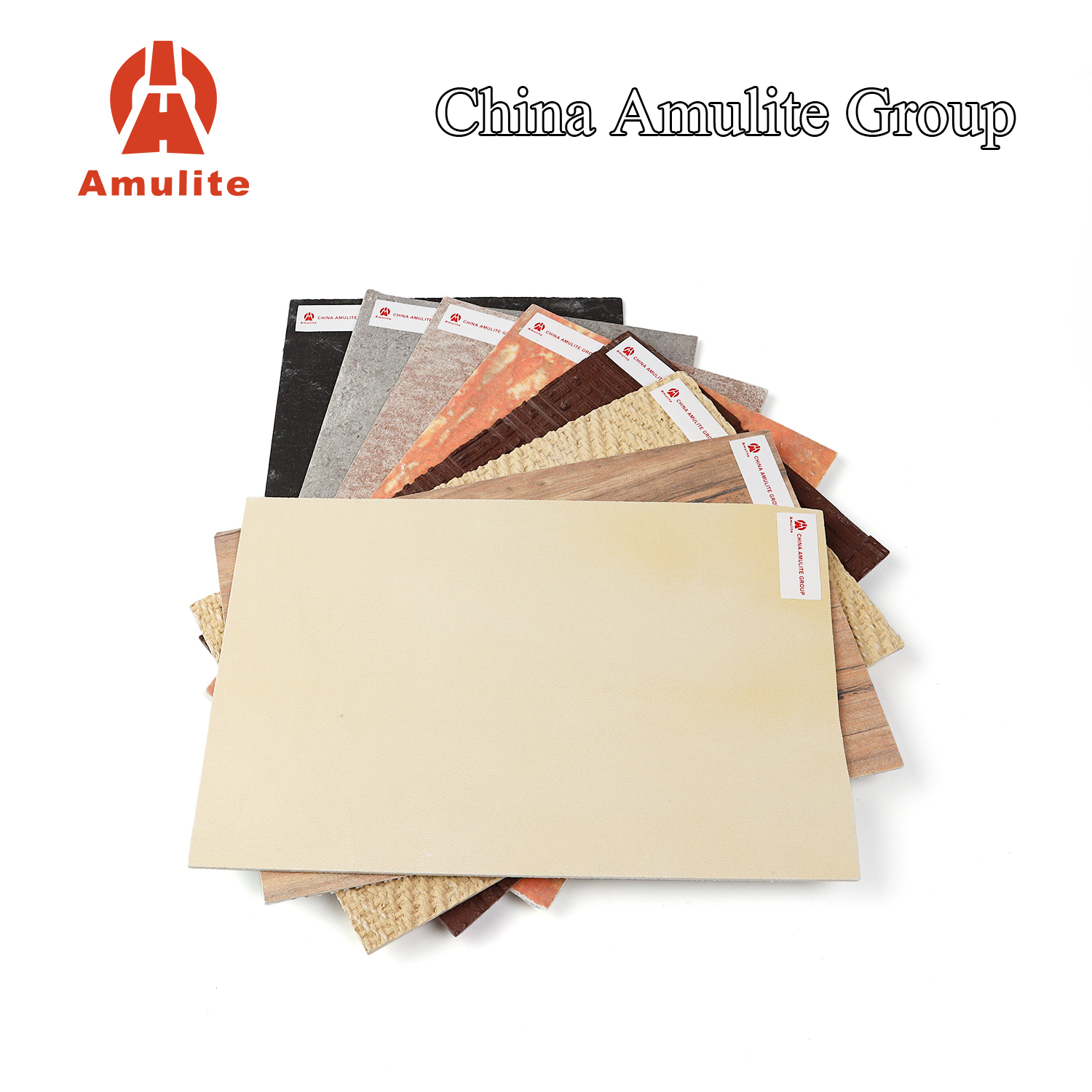
For humid climates: In the humid “southern breeze” conditions of the south, Soft Porcelain with enhanced breathability possesses moisture-absorbing functions, preventing water droplets from condensing on the surface.
For severe cold climates: During winter construction in the north, Soft Porcelain with adjusted flexibility formulas remains soft and adheres to walls even below 0°C.
Anti-staining and self-cleaning: The surface nano anti-staining coating achieves a UV blocking rate of over 98%, and rainwater washing enables self-cleaning. Testing shows stain resistance reaches Grade 4 (equivalent to polished tile level).
Cost Competitiveness: More Than Just a Green Choice
Compared to high-end stone paints or coatings, Soft Porcelain offers lower overall costs while achieving similar textures. Taking inkjet travertine products as an example, the cost including labor is approximately 100+ RMB per square meter, far lower than the 200-300 RMB per square meter cost of similar textured coatings.
This cost advantage is particularly prominent in large-scale projects. Amulite has exported Soft Porcelain products to South Korea, Russia, the Middle East, Southeast Asia, and other markets, with export business share gradually increasing to 30%-40%.
The emergence of Soft Porcelain represents far more than the birth of a new material—it signals a clear path for the architectural decoration industry to transition toward resource conservation and environmental friendliness. Whether it is the texture restoration of historic districts or the curved expression of modern spaces, Soft Porcelain ensures every detail withstands the test of time and scrutiny.
For international buyers seeking differentiated, sustainable, and cost-controllable building solutions, Amulite Soft Porcelain is becoming a choice worth serious consideration.
Post time: Sep-17-2026